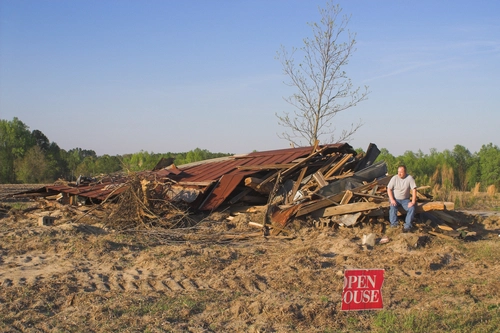
The minutes and hours after a tornado are chaotic, and that confusion often extends into the claims process. Homeowners and business owners need a clear, practical roadmap that preserves safety, documents losses, and positions the claim for a full recovery. This guide breaks down what to inspect, how to file, the deadlines that matter, and where insurers commonly push back. It also explains how legal advocates step in when payments are delayed, lowballed, or denied, and how to keep reconstruction on track while managing living or operating expenses. If you’re unsure where to begin or how to contest an adverse decision, the Omar Ochoa Law Firm and a trusted Texas Tornado Damage Attorney can help you evaluate options and move forward with confidence.
Assessing Visible and Hidden Tornado Damage to Homes and Businesses
Tornadoes produce complex damage profiles that go far beyond missing shingles or broken windows. The combination of extreme winds, wind-driven rain, debris impacts, and rapid pressure changes can degrade structures from the roof down to the foundation. Start with safety—shut off utilities if you smell gas or see sparking wires, and avoid compromised areas until they’re cleared by professionals. Document everything with broad photos first and close-ups second, then create a room-by-room inventory while the scene is fresh. If you operate a storefront, warehouse, or office, capture building damage, equipment losses, and interrupted operations because business interruption depends on detailed proof.
Key areas to inspect beyond the obvious
- Roof systems: look for lifted shingles, missing fasteners, damaged flashing, and deformed decking or trusses.
- Building envelope: check soffits, fascia, gutters, window frames, and doors for racking and water intrusion points.
- Structural movement: note cracks at corners, gaps between walls and ceilings, and out-of-square doorways indicating shifting.
- Water pathways: use moisture meters or thermal imaging to find wet insulation, wall cavities, or subfloors that may not be visible.
- Mechanical and electrical: inspect HVAC units, exterior condensers, electrical panels, and generators for wind or water damage.
- Contents and equipment: itemize damaged inventory, machinery, technology assets, and signage, including serial numbers and model details.
Hidden damage matters because it drives long-term costs and can affect safety. Soaked insulation, compromised sheathing, and subtle structural displacement can spawn mold, reduced energy efficiency, or future failures if left unfixed. Consider bringing in a licensed contractor, engineer, or industrial hygienist to corroborate findings with written reports and testing. Those third-party evaluations often carry persuasive weight when a carrier challenges your scope or claims cosmetic-only damage. If the process is already complicated by pushback, the Omar Ochoa Law Firm can help align expert assessments with policy language, ensuring the evidence is as robust as the loss.
Understanding Insurance Filing Procedures and Claim Deadlines
Filing quickly and correctly can substantially improve your outcome. Most policies require prompt notice, reasonable steps to mitigate further damage, and full cooperation with the investigation. Pull your policy declarations and endorsements early to understand coverage limits, deductibles (including windstorm percentage deductibles), and any special conditions like appraisal, proof-of-loss requirements, or suit-limitation clauses. Save all invoices related to emergency tarping, board-up services, and temporary power, since these outlays typically fall under reasonable mitigation and may be reimbursable. Keep every conversation with your insurer in writing or memorialized with a summary email noting date, time, and action items.
Steps to file promptly and correctly
- Notify your insurer immediately and get a claim number; ask about approved vendors for emergency mitigation.
- Photograph and video the property thoroughly before alterations, then preserve damaged materials if safe.
- Start a written inventory for contents and equipment, with pricing, age, and condition; include any available receipts.
- Request policy documents and ask whether a sworn Proof of Loss will be required, and by what date.
- Track Texas deadlines: acknowledgement, investigation milestones, and payment/denial timelines; diarize all dates.
- Communicate updates in writing, including estimates and expert reports, and confirm receipt from your adjuster.
Texas imposes strict timing rules under the Prompt Payment of Claims Act, which generally requires the insurer to acknowledge a claim within 15 business days and accept or deny within 15 business days after receiving all requested information; following declared catastrophes, carriers may have additional time, commonly up to 45 days for certain steps. If a sworn Proof of Loss is requested, meet the deadline or ask for a written extension. Lawsuits are often subject to a two-year window for certain claims, and policies may shorten the time to sue, so check limitations carefully. Before filing suit for weather-related property claims, Texas law typically requires a 61-day pre-suit notice; a Texas Tornado Damage Attorney can ensure compliance while preserving leverage for negotiation.
Common Coverage Disputes After Severe Texas Tornadoes
After a tornado, insurers frequently challenge whether damage is cosmetic or functional, especially on roofs and exterior cladding. Carriers may argue dents to metal roofs and gutters or scuffs on siding don’t impair performance, while policyholders see shortened lifespans and compromised warranties. Another battleground involves actual cash value (ACV) versus replacement cost value (RCV): depreciation can materially reduce an initial payment, and RCV holdback is typically released only after proof of completed repairs. Matching disputes arise when only part of a roof slope or wall can be replaced—if colors or finishes don’t match, the question becomes whether the entire area must be redone to restore uniform appearance. Ordinance or law coverage—often necessary for code-required upgrades—may be limited unless specifically endorsed.
Frequent points of contention
- Roof replacement versus patching, including uplifted shingles, damaged fasteners, and compromised underlayment.
- Water intrusion leading to mold or rot where the carrier claims pre-existing conditions or maintenance issues.
- Exterior cladding and window systems where the insurer asserts cosmetic-only impacts.
- Mechanical and electrical components exposed to water or debris impacts, with disputes over repairability.
- Personal property valuations where depreciation schedules are aggressive or pricing sources are outdated.
Commercial claims add layers such as business interruption and extra expense, which depend on coverage triggers, period of restoration, and accurate financial documentation. “Civil authority” coverage can come into play if access to the property was barred by government order due to storm damage nearby. Disagreements also arise over contractor overhead and profit, line-item scope details, and whether a reasonable repair requires specialized trades. When documentation and expert opinions are organized, policyholders gain leverage. The Omar Ochoa Law Firm coordinates contractors, engineers, and accountants to substantiate both physical damage and time-element losses, helping close gaps that fuel underpayment disputes.
How Adjusters Evaluate Claims and Where Errors Commonly Occur
Adjusters start by scoping damage: taking photos, measurements, and notes that feed pricing software like Xactimate or similar platforms. They apply policy terms to decide whether an item is covered, how to account for depreciation, and which line items are necessary to return the property to pre-loss condition. Independent adjusters may be volume-driven during catastrophe seasons, and rushed inspections can produce incomplete scopes. When inspections occur before hidden moisture is discovered, the estimate may exclude remediation, dehumidification, or replacement of wet insulation and drywall. Contents inventories can be undervalued if you don’t provide brand, model, purchase dates, and replacement prices.
Typical mistakes that lower payouts
- Missing components such as drip edge, starter course, or ice-and-water shield where codes require them.
- Underestimating roofing waste factors, steep/height charges, or safety setups for multi-story structures.
- Excluding code upgrades or failing to apply the ordinance or law endorsement even when required by local code.
- Using “cosmetic damage” labels for roofs or siding that have functional impairment or voided warranties.
- Not testing for moisture in wall cavities and subfloors, leading to inadequate mitigation scopes and future mold risk.
- Omitting contractor overhead and profit on multi-trade projects where general contractor coordination is necessary.
To counter errors, accompany the adjuster during re-inspections, point out all observed issues, and provide expert reports that back up scope items. If pricing feels low, request line-item detail and compare with contractor estimates to identify gaps. Keep every supplement organized, with photos and invoices mapped to specific line items to speed approvals. A Texas Tornado Damage Attorney can facilitate re-inspections, coordinate testing, and assemble a technical package that makes it difficult for an insurer to rationalize underpayment.
Legal Steps for Challenging Claim Denials and Underpayments
Start with the policy’s internal tools: submit supplements, request a re-inspection, and consider appraisal if the dispute is solely about price and not coverage. Appraisal can resolve valuation conflicts, but it won’t fix misapplied exclusions or denials rooted in coverage interpretations. If the carrier delays or refuses fair payment, you may have claims for breach of contract or bad faith under Texas law, as well as potential remedies under Insurance Code Chapters 541 and 542, and DTPA where applicable. Document every delay, request, and response; the pattern can support statutory interest and attorney’s fees. Filing a complaint with the Texas Department of Insurance can sometimes spur movement, though it doesn’t replace formal legal action.
A practical escalation path
- Demand a detailed denial or underpayment letter citing specific policy provisions.
- Provide a written rebuttal with expert reports, codes, and contractor estimates.
- Invoke appraisal for price disputes when strategically beneficial; select a qualified appraiser.
- Send the required 61-day pre-suit notice outlining damages, legal theories, and demanded amounts.
- Preserve evidence, maintain a litigation hold, and avoid repairs that destroy proof without adequate documentation.
- File suit within the applicable limitations period if the carrier remains unreasonable.
Because timelines and notice rules are strict, early legal involvement helps you avoid missteps. The Omar Ochoa Law Firm evaluates whether appraisal, negotiation, or litigation best serves the claim and sets a plan to maximize recovery. Counsel can also calculate Prompt Payment of Claims Act interest on overdue benefits and pursue fee-shifting where available. Coordinating with a Texas Tornado Damage Attorney ensures the legal strategy matches your construction schedule and cash flow needs, minimizing disruption to your home life or business operations.
Coordinating Reconstruction and Temporary Housing Expenses
Even with a pending claim, life and work must go on. Most homeowners policies include Additional Living Expense (ALE) or Loss of Use coverage to reimburse reasonable costs for temporary housing, meals, and increased commute or utility expenses when the home is uninhabitable. Commercial policies often include business interruption and extra expense, covering lost profits, payroll to retain key staff, and costs to set up temporary operations. Rebuilding requires a detailed scope of work that addresses structural repairs, building envelope restoration, and code upgrades where ordinance or law coverage applies. Keep repair contracts, change orders, lien waivers, and inspections organized—insurers frequently request them before releasing recoverable depreciation.
Managing costs without jeopardizing the claim
- Choose licensed, insured contractors experienced in wind and water restoration; request references and a clear payment schedule.
- Avoid signing over full claim rights through broad “assignment of benefits” without legal review.
- Track ALE receipts meticulously—hotel stays, short-term rentals, storage, pet boarding, and increased meal costs.
- For businesses, maintain financial records by period: sales, inventory, payroll, and extra expense invoices for temporary setups.
- Coordinate city inspections and permits early to avoid delays that extend the period of restoration.
- Submit supplements promptly when hidden damage emerges during demolition, with photos and updated estimates.
RCV policies typically pay ACV first and release the holdback after you submit proof of completed repairs, so plan cash flow accordingly. If you can’t afford the gap, discuss partial draws with the carrier or financing options with your contractor; never miss the window to submit final documentation. Where the insurer disputes costs related to code compliance or temporary facilities, provide supporting ordinances, engineer letters, or financials that show necessity and reasonableness. A Texas Tornado Damage Attorney can connect the dots between policy terms, invoices, and code requirements, accelerating approvals and reducing back-and-forth that slows reconstruction.
Why Legal Support Is Essential for Complete Financial Recovery
Tornado claims blend technical construction questions with complex policy language and unforgiving deadlines. A well-prepared legal team brings structure to the process: organizing evidence, engaging qualified experts, and framing arguments under Texas statutes and case law. When insurers delay, underestimate damage, or deny coverage, counsel can apply pressure using statutory remedies, including interest and potential attorney’s fees, that change the negotiating equation. Legal guidance also helps you weigh the pros and cons of appraisal, mediation, or litigation—each tool has costs, timing considerations, and strategic implications. Engaging counsel early often prevents avoidable mistakes and preserves leverage when it matters most.
What a dedicated law team can deliver
- Comprehensive claim audits that align policy provisions with the damage profile and repair scope.
- Access to vetted engineers, industrial hygienists, contractors, and forensic accountants for time-element losses.
- Strategic use of the Prompt Payment of Claims Act to pursue interest on overdue benefits.
- Coordination of appraisal or litigation to resolve valuation and coverage disputes efficiently.
- Careful management of pre-suit notice, evidence preservation, and limitation deadlines.
- Clear communication that helps you make informed decisions at every stage of the claim.
When the stakes include your home, your livelihood, and the health of your business, the right advocate makes a measurable difference. The Omar Ochoa Law Firm understands how insurers evaluate tornado losses and where negotiations typically stall, and it uses that insight to push claims to fair resolution. If you need help interpreting policy language, organizing supplements, or escalating a dispute, partnering with a seasoned Texas Tornado Damage Attorney can provide the momentum and protection you need to rebuild fully and move forward.